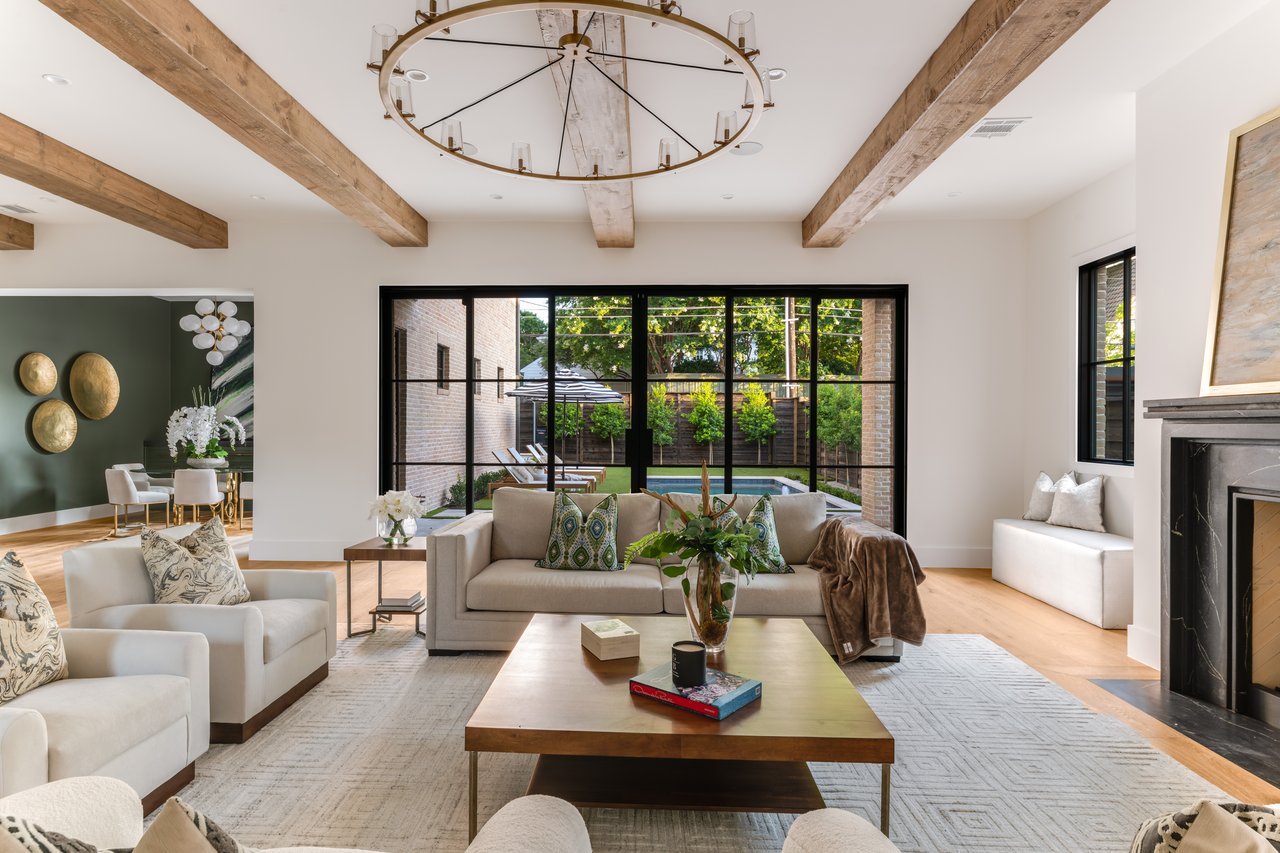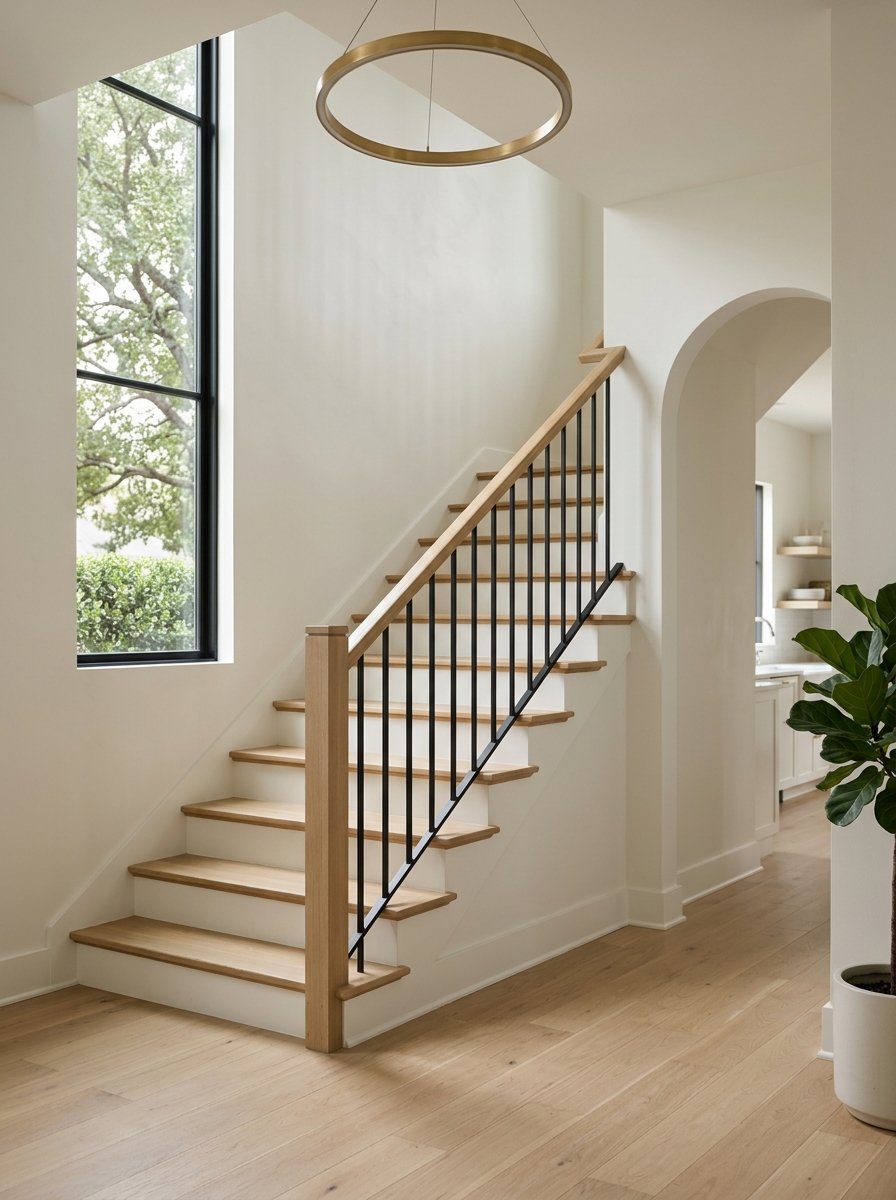
Shopping for a new construction home in University Park can feel exciting and complicated at the same time. You may love the idea of a turnkey home with current finishes, energy-conscious systems, and a polished layout, but you also want to understand how these homes actually come together in an established neighborhood. This guide will help you understand what new construction usually looks like in University Park, what city rules shape each project, and what to watch before you buy. Let’s dive in.
How new construction works in University Park
University Park is not typically a large-scale subdivision market. Most new construction is infill, which means homes are often built on existing lots rather than in brand-new neighborhood developments.
In practice, that usually means teardown-and-rebuild projects, custom homes, spec homes, and some luxury townhome offerings. Publicly marketed examples at the time of research included custom homes around 5,345 to 6,411 square feet on 50x140 and 72x140 lots, along with three-story luxury townhomes with two-car garages.
That setup creates an important tradeoff for buyers. You may get a modern home in an established area, but the path to completion can involve more permitting, more site-specific review, and more timeline risk than a typical production-home purchase.
Why lot rules matter so much
In University Park, lot and plat rules shape nearly every new construction project. The city will not issue a new-construction permit unless the property is a single platted lot.
If a project combines parts of lots, those lots must usually be consolidated through an amending plat before a permit can be issued. If a new lot is being created, a replat is required, which can add time and process.
For you as a buyer, this matters because the lot is not just a backdrop. It directly affects what can be built, how the home sits on the site, and whether a project is likely to move smoothly through approvals.
University Park lot coverage limits
University Park also sets maximum impermeable surface coverage by zoning district and lot size. For many single-family lots in SF-1, SF-2, SF-3, and SF-4 districts, the allowed amount changes as lot size increases.
Here is a simplified look at the limits for those single-family districts:
| Lot Size | Max Impermeable Surface |
|---|---|
| Up to 6,000 sq. ft. | 3,600 sq. ft. |
| 6,001 to 7,500 sq. ft. | 60% |
| 7,501 to 10,000 sq. ft. | 52% or 4,500 sq. ft. |
| 10,001 to 12,000 sq. ft. | 48% or 5,200 sq. ft. |
| 12,001 to 35,000 sq. ft. | 40% or 5,760 sq. ft. |
| 35,001+ sq. ft. | 35% or 14,000 sq. ft. |
These limits can influence footprint, driveway planning, hardscape, and even outdoor living design. In the required front yard, driveways do not count toward lot coverage, but front-yard paving is limited to 50%, and pea gravel is prohibited.
The city also states that fences and walls cannot be built in the front yard past the front wall of the main structure. If you are comparing homes on different lot sizes, these details can help explain why one property lives differently from another.
What the city requires before building
University Park requires permits for all new construction and uses its own 2021 code set and amendments. A new residential plan packet typically calls for a survey, architectural and structural plans, a soil report, energy compliance documents, lot-coverage calculations, a right-of-way plan, and other site-specific items.
That means the value of a new construction home is not only about finishes. A meaningful part of what you are paying for is the engineering, documentation, and code compliance behind the walls and under the slab.
If a lot has an unusual shape, size, or terrain, the Board of Adjustment may consider a variance. However, financial hardship or a self-imposed hardship does not qualify, which is another reason some lots are more straightforward than others.
What to expect during construction
Because University Park is a built-out area, construction activity is more visible than it would be in a new subdivision. The city allows construction work only from 7 a.m. to 6 p.m. Monday through Saturday, and Sunday and holiday work is prohibited.
Builders also must notify the eight immediate neighbors before starting work and when major disruptions are likely. For buyers, that is useful context because it shows how closely projects are managed in relation to surrounding homes.
This neighborhood setting is part of the appeal, but it can also affect timing. If you are buying before completion, it helps to expect a process with moving parts rather than a fixed, assembly-line timeline.
What buyers should inspect beyond finishes
It is easy to get drawn in by beautiful cabinetry, lighting, and appliances. In University Park, those details matter, but they are only part of the story.
The city’s review process requires detailed elevations, window and door schedules with egress and energy values, engineered foundation plans, and compliance with the 2021 IECC energy code. That makes it especially important to evaluate the technical side of the build, not just the visual presentation.
Key items to review in a new build
When you are comparing homes, ask careful questions about:
- Appliance package
- Exterior envelope
- Window performance
- Insulation and energy compliance
- Slab and foundation engineering
- Flatwork
- Landscaping scope
- Included selections versus allowance-based selections
Allowance-heavy homes can look impressive in marketing while leaving room for cost changes or finish substitutions. A clear selection schedule helps you understand what is truly included in the purchase price.
How finish levels can vary
Public examples in the market show that some University Park new construction sits at the luxury end of the spectrum. Marketed features have included Wolf ranges, Sub-Zero appliances, smart-home technology, three-story layouts, and two-car garages, while custom builders often emphasize premium materials and collaborative finish-out across cabinets, flooring, lighting, landscape, and hardware.
That said, one luxury label does not mean every home offers the same value. Two homes can look similar online while differing meaningfully in engineering, window quality, insulation, site work, or selection allowances.
For that reason, comparing finish level in person and in writing is often more useful than relying on photos alone. In a market like University Park, details matter.
What to know about builder reputation
In University Park, builder reputation often comes down to a few practical signals. Buyers tend to look for longevity in the Park Cities, a visible portfolio nearby, a clear process, and an ability to manage selections and finish-out without losing schedule control.
That matters because this is a site-specific market. A builder may need to navigate platting issues, city review, and detailed finish decisions all at once.
A strong local track record can help reduce uncertainty, especially if you are buying a home before it is finished. You want clarity around process, documentation, and communication, not just a polished rendering.
How pre-completion purchases differ in Texas
If you are buying a new home before construction is complete, expect the process to differ from a standard resale purchase. Texas uses TREC Form 23-19 for incomplete new homes and Form 24-19 for completed new homes.
That distinction is important because a pre-completion purchase is a true builder-contract process. It is not simply a resale contract with new finishes.
A typical path can include site selection, architect and budget coordination, financing, foundation and framing, rough-ins, interior selections, finish-out, and then punch list and move-in. Knowing that sequence can help you ask better timing and decision-making questions before you commit.
Why warranty language deserves extra attention
Home warranty language can be confusing in any market. In Texas, the Texas Department of Licensing and Regulation says residential service contracts, often called home warranties, are not the same as builder warranties, are typically optional, and are not required when buying a new or existing home.
That means you should review warranty terms carefully and understand who is responsible for what. A builder warranty, a third-party service contract, and manufacturer coverage may each address different items.
Before closing, ask for clear documentation rather than assuming all “warranties” work the same way. This is one area where precise language matters.
Why local guidance matters in University Park
Because University Park new construction is highly site-specific, local guidance can be especially valuable. The real work often happens in the details: matching the lot to the allowed building envelope, spotting platting or variance issues early, comparing true finish levels, and making sure the contract tracks actual construction milestones.
That is very different from buying in a production-home community where homes follow a more predictable template. In University Park, each property can come with its own design, approval, and timing considerations.
If you want a new construction home here, the best approach is usually to stay focused on the full picture. Look at the lot, the builder, the documentation, the contract structure, and the finish schedule together.
If you are exploring new construction homes or luxury townhome opportunities in University Park, Wiebe Real Estate can help you evaluate inventory, compare finish levels, and navigate the process with a design-forward, local perspective.
FAQs
What does new construction usually mean in University Park?
- In University Park, new construction is usually infill development such as teardown-and-rebuild homes, custom homes, spec homes, or luxury townhomes on existing parcels rather than large subdivision-style communities.
What city rules affect new construction homes in University Park?
- University Park requires permits for all new construction, uses its own 2021 code set and amendments, and often requires surveys, architectural plans, structural plans, soil reports, energy documents, and lot-coverage calculations before review.
What is a platted lot in University Park new construction?
- A platted lot is a legally recognized lot configuration, and University Park will not issue a new-construction permit unless the property is a single platted lot.
What should buyers inspect in a University Park new build?
- Buyers should review the appliance package, exterior envelope, window performance, insulation, energy compliance, slab and foundation engineering, flatwork, landscaping scope, and whether finishes are included or based on allowances.
How are pre-completion home purchases handled in Texas?
- In Texas, incomplete new homes use TREC Form 23-19, while completed new homes use Form 24-19, so buyers should expect a builder-contract process rather than a standard resale transaction.
Are home warranties required for new construction homes in Texas?
- No. According to TDLR, residential service contracts or home warranties are typically optional and are not required when buying either a new or an existing home.