If you picture Preston Hollow luxury homes as one signature look, you may be surprised by what you find in person. This part of Dallas has long been defined less by a single style and more by how a home fits its lot, its street, and the way you want to live. Understanding the area’s core architectural styles can help you spot lasting value, anticipate upkeep, and narrow in on the kind of home that truly fits your goals. Let’s dive in.
Why Preston Hollow Feels Architecturally Distinct
Preston Hollow’s luxury identity is closely tied to Old Preston Hollow, an area that grew from farmland into a residential enclave in the 1930s before being incorporated with Preston Hollow in 1939 and annexed by Dallas in 1945. That history still shows up today in the form of generous lots, deeper setbacks, and a more secluded street pattern.
At the same time, Preston Hollow is not a single-style neighborhood. The broader area includes everything from modest ranch homes to large estate properties, which gives the neighborhood a layered, collected feel instead of a uniform one.
That mix is part of the appeal. In Preston Hollow, luxury is often defined by scale, privacy, and a strong relationship between house and lot, not by one architectural formula.
Traditional Estates Shape the Classic Look
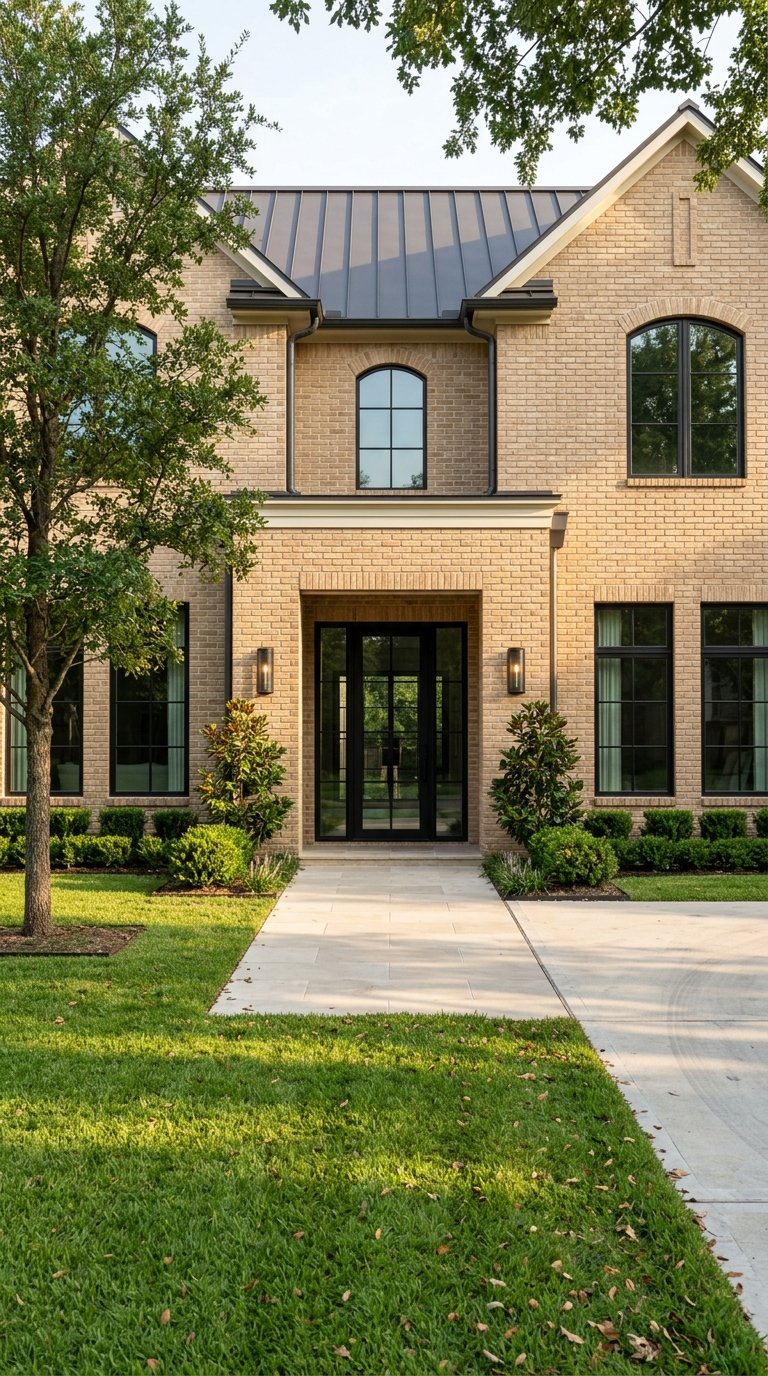
When many buyers think of Preston Hollow, they picture formal traditional estates first. These homes often pull from Colonial Revival ideas, including symmetrical facades, pronounced front entries, columns or pilasters, and windows arranged with a balanced, orderly rhythm.
In Preston Hollow, those traditional cues are often softened or personalized. You may also see French farmhouse, English manor, Tudor, Spanish, or Colonial Revival influences blended into one custom home, which reflects the neighborhood’s long history of tailored estate design.
What Defines Traditional Preston Hollow Homes
Traditional homes in the area often include features like:
- Symmetrical front elevations
- Gabled or pedimented windows
- Formal entry sequences
- Brick, stone, or masonry-heavy exteriors
- Defined rooms with more separation than newer open-plan homes
- A stronger sense of privacy from the street
These homes often feel especially suited to buyers who value classic curb appeal, formal entertaining, and a timeless architectural presence.
What Buyers Should Watch in Older Traditional Homes
Traditional homes can offer incredible character, but they also tend to have more complex maintenance needs. Rooflines, trim details, masonry transitions, and original windows create more places where wear can show up over time.
In Preston Hollow, the quality of past additions matters too. A well-integrated expansion can preserve the home’s value and character, while a mismatched update can make the architecture feel less cohesive.
If a home still has original windows, condition matters. Preservation guidance in Dallas emphasizes that historic windows are often worth repairing or retrofitting rather than replacing, since replacement can affect architectural character.
Mediterranean and Mission Styles Add Drama
Another style that has long had a place in Preston Hollow is Mediterranean-inspired design, including Mission and broader Mediterranean Revival influences. These homes often stand out with stucco exteriors, clay-tile roofs, deep-set openings, and a more resort-like sense of massing.
In a neighborhood known for large lots and private settings, this style can feel especially striking. Dallas coverage has featured Preston Hollow estates described as Mediterranean and French Renaissance, showing how this look has remained part of the area’s upper-end housing mix.
Key Features of Mediterranean-Inspired Homes
You will often notice:
- Stucco exterior walls
- Red clay tile roofs
- Arched openings or deep window recesses
- Large, boxy forms or courtyard-inspired layouts
- Indoor-outdoor spaces that feel sunny and relaxed
These homes can deliver a strong sense of arrival. They often appeal to buyers who want architecture that feels expressive, warm, and well suited to entertaining.
Maintenance Considerations for Stucco and Tile
Mediterranean-style homes can age beautifully, but the materials need attention. Clay-tile roofs, stucco surfaces, and decorative elements are less forgiving when repairs are delayed or patchwork does not match the original materials.
For buyers, it helps to look closely at roof condition, moisture management, and the quality of any exterior patching. On a luxury property, the finish quality of those repairs can make a noticeable difference in both appearance and long-term value.
Ranch and Mid-Century Homes Bring Ease
Not every Preston Hollow luxury home is formal. The broader neighborhood still includes many ranch homes, and mid-century properties remain an important part of the local architectural story.
These homes are generally lower, more horizontal, and more casual in how they live. They often emphasize open plans, large living areas, generous glass, and a stronger connection between the indoors and outdoors.
Why Ranch Homes Still Appeal
Ranch and mid-century homes often work well for day-to-day living because they are less stair-dependent and more straightforward in circulation. In Preston Hollow, examples like the Vaughn House show how open plans, glass walls, terrazzo, deep overhangs, and outdoor living features can make a home feel both relaxed and architecturally significant.
For many buyers, this style offers a practical kind of luxury. It can feel easier, calmer, and more connected to the landscape than a more formal estate house.
What to Evaluate in Mid-Century Properties
The maintenance profile is different from a traditional estate. Instead of ornate trim or highly articulated facades, the key issues may be original glass, seals, roof overhangs, and older finishes.
If the home has been updated, it is worth looking at whether the renovation respected the original design logic. The best mid-century homes tend to keep their indoor-outdoor flow and clean, simple character intact.
Modern and Transitional Homes Reflect Today’s Luxury
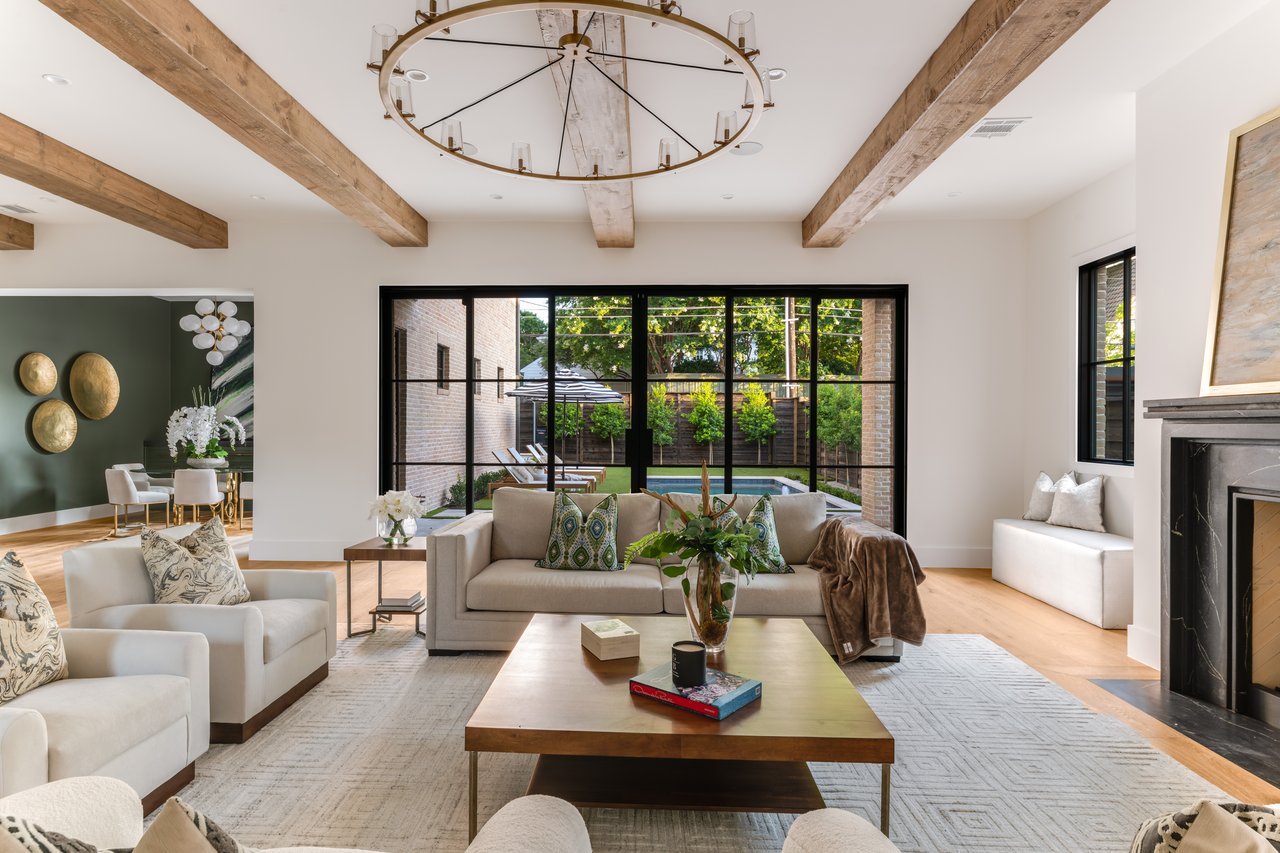
Preston Hollow also includes a strong collection of modern and transitional custom homes. These are often the result of newer construction or major rebuilds, and they have become a major part of the area’s luxury market.
What makes them stand out is not just size. The strongest examples tend to focus on volume, natural light, privacy landscaping, indoor-outdoor flow, and a plan that feels specific to the lot rather than dropped onto it.
Common Features in Newer Preston Hollow Homes
Many modern and transitional homes include:
- Open kitchens and large family spaces
- Expansive glazing or glass walls
- Flexible rooms for work or entertaining
- Cleaner lines and less ornament
- More deliberate siting on the lot
- Stronger visual connection to landscaping and outdoor living
This style often appeals to buyers who want a turnkey feel and a layout designed around how people live today.
Why Good Design Discipline Matters
Contemporary architecture can feel fresh and effortless when it is well executed. But the homes that hold up best over time are usually the ones with disciplined detailing, privacy planning, and a clear relationship between structure and site.
In Preston Hollow, that matters because the setting itself is part of the luxury. A home that works with the lot, the trees, and the street pattern will often feel more enduring than one that tries to overpower its surroundings.
How to Choose the Right Style for You
The best architectural style is not just the one you admire in photos. It is the one that supports your daily routines, your maintenance comfort level, and your long-term plans.
A traditional estate may suit you if you want formal entertaining spaces and a strong classic presence. A Mediterranean home may fit if you love warmth, texture, and indoor-outdoor living. A ranch or mid-century home may feel right if you value simplicity and ease. A modern or transitional home may be the best match if you want open space, flexibility, and a more current finish level.
Questions to Ask as You Compare Homes
As you tour Preston Hollow properties, consider:
- Does the architecture feel coherent from front facade to backyard?
- Does the home fit the scale and shape of the lot?
- How much maintenance comes with the materials and detailing?
- Have additions or renovations been integrated well?
- Does the floor plan support how you actually live?
- Will the design still feel intentional years from now?
These questions can help you look past surface-level finishes and focus on what gives a luxury home staying power.
Lot Fit Often Matters More Than Style
One of the clearest lessons in Preston Hollow is that long-term appeal often comes down to lot quality, architectural coherence, and landscape sensitivity. In Old Preston Hollow especially, the wooded setting, deeper setbacks, and sense of privacy are a major part of what buyers are paying for.
That is why the most successful homes in the neighborhood, whether traditional or modern, usually feel rooted in their sites. They do not just look expensive. They feel settled, intentional, and well matched to their surroundings.
A Note on Designations and Future Changes
If you are considering a home with notable architectural character, it is smart to confirm whether the property has any Dallas landmark or conservation designation. In Dallas, exterior changes to protected properties may be subject to city standards, and conservation ordinances can set minimum development and architectural rules where districts have been adopted.
That does not mean a protected home is off-limits for updates. It simply means you should understand the review process before planning additions or major exterior changes.
Whether you are drawn to a stately traditional estate, a villa-like Mediterranean home, a low-slung ranch, or a polished contemporary rebuild, Preston Hollow offers a rare range of architectural options within one luxury market. If you want help weighing style, site, condition, and long-term value, Wiebe Real Estate brings a design-forward perspective and boutique guidance to every step of the search.
FAQs
What architectural styles are most common in Preston Hollow luxury homes?
- Preston Hollow luxury homes span a range of styles, including traditional estates with Colonial Revival or European-inspired details, Mediterranean and Mission-influenced homes, ranch and mid-century properties, and newer modern or transitional custom homes.
Why do Preston Hollow homes have such different architectural styles?
- Preston Hollow developed over time rather than as a single planned architectural district, so its housing stock is layered. The area’s generous lots and custom-building culture have also encouraged a wide range of designs.
Are ranch homes in Preston Hollow considered luxury homes?
- In the broader Preston Hollow area, ranch and mid-century homes remain part of the neighborhood mix. On strong lots or with notable design features, they can absolutely appeal to luxury buyers who value openness, ease, and indoor-outdoor living.
What should buyers check in older traditional homes in Preston Hollow?
- Buyers should pay close attention to original window condition, facade integrity, roof complexity, masonry and trim maintenance, and whether past additions were integrated in a way that respects the home’s architectural character.
What maintenance issues come with Mediterranean-style homes in Preston Hollow?
- Mediterranean-style homes often require close attention to clay-tile roofs, stucco condition, moisture management, and exterior repairs that match the original materials and finish quality.
Do modern Preston Hollow homes hold value well?
- Modern homes tend to perform best when they are thoughtfully designed for the lot, with strong privacy planning, disciplined detailing, and a clear connection to the landscape. In Preston Hollow, design quality and site fit are important drivers of long-term appeal.
Should buyers check for conservation or landmark status in Preston Hollow?
- Yes. If a Preston Hollow property has a Dallas landmark or conservation designation, exterior changes may be subject to city standards, so it is important to confirm that status before planning major updates or additions.